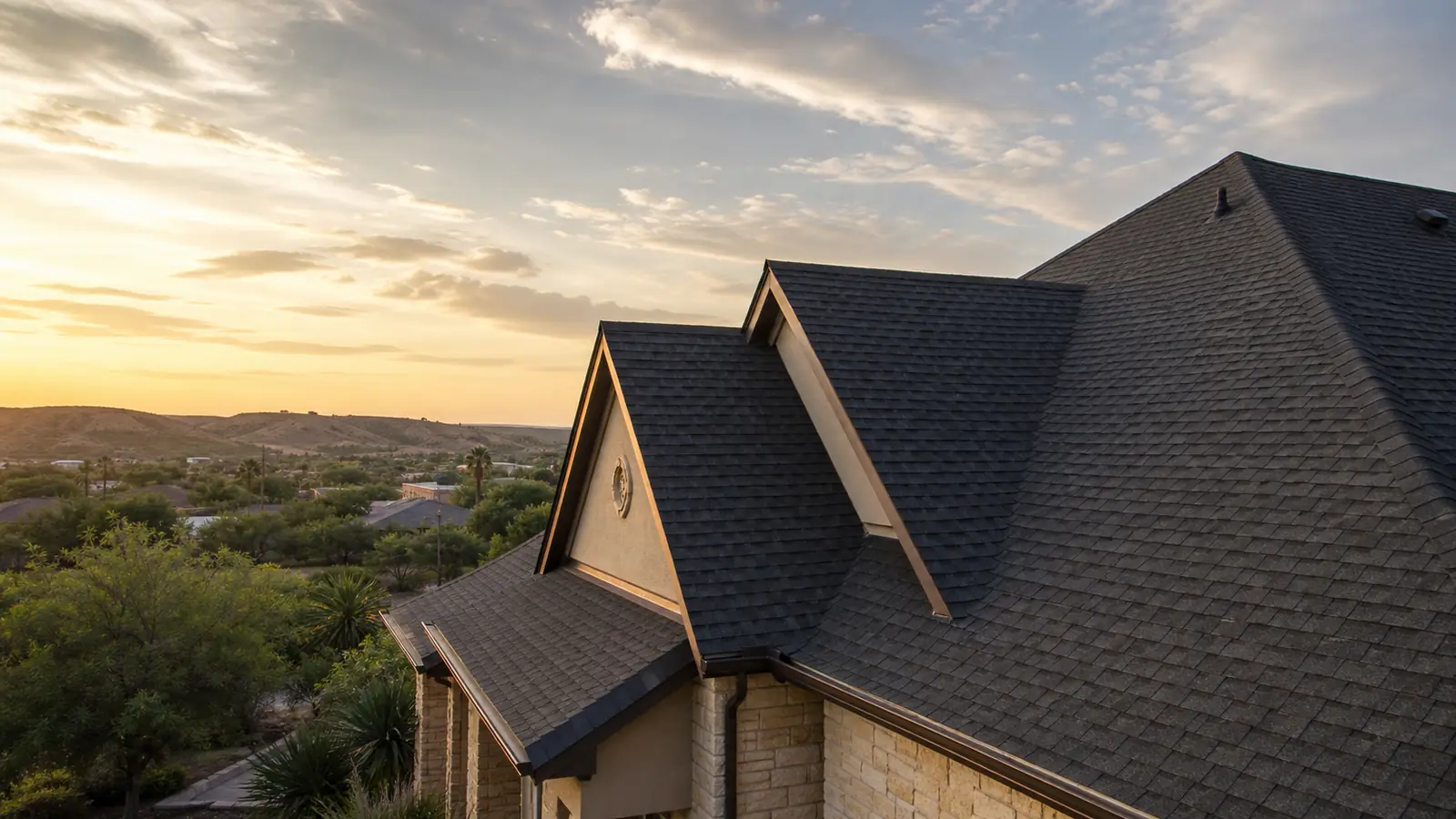
Residential + Commercial Roofing
Roofing Company in Laredo, TX
LaredoRoofer repairs and replaces residential and commercial roofs throughout Laredo and surrounding South Texas communities.
GET A ROOF ESTIMATE TODAY!
Tell us what you have noticed so we can discuss your roof project and next steps.
Start here
Roofing help for the problem in front of you.
 01
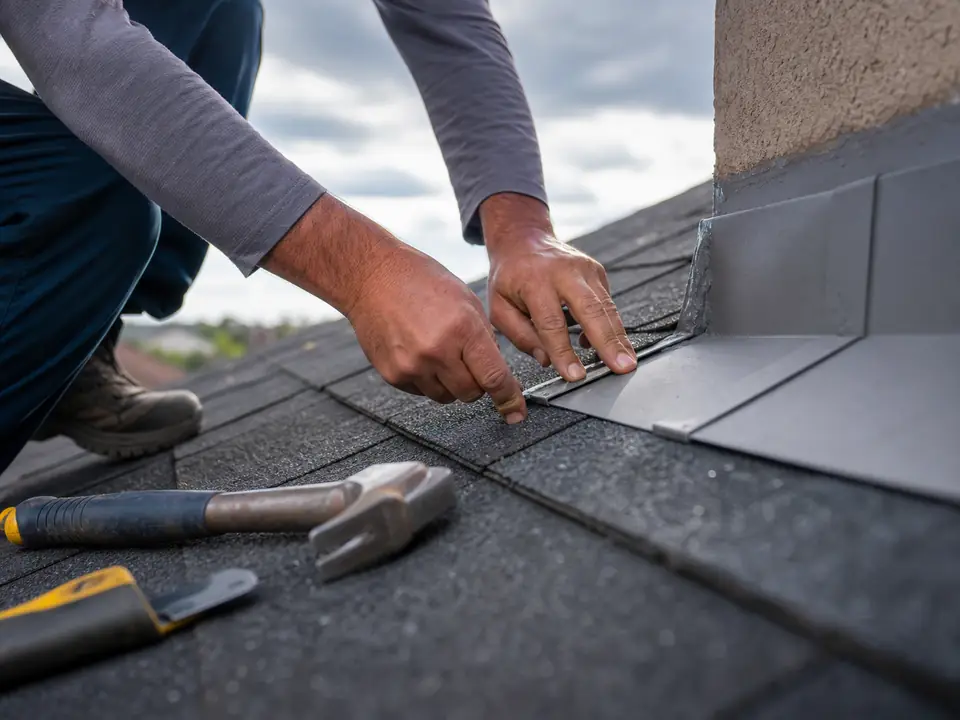
01Roof Repair
Roof repair in Laredo for leaks, damaged shingles, flashing problems, roof penetrations, metal roofs and commercial roofing.
Explore service →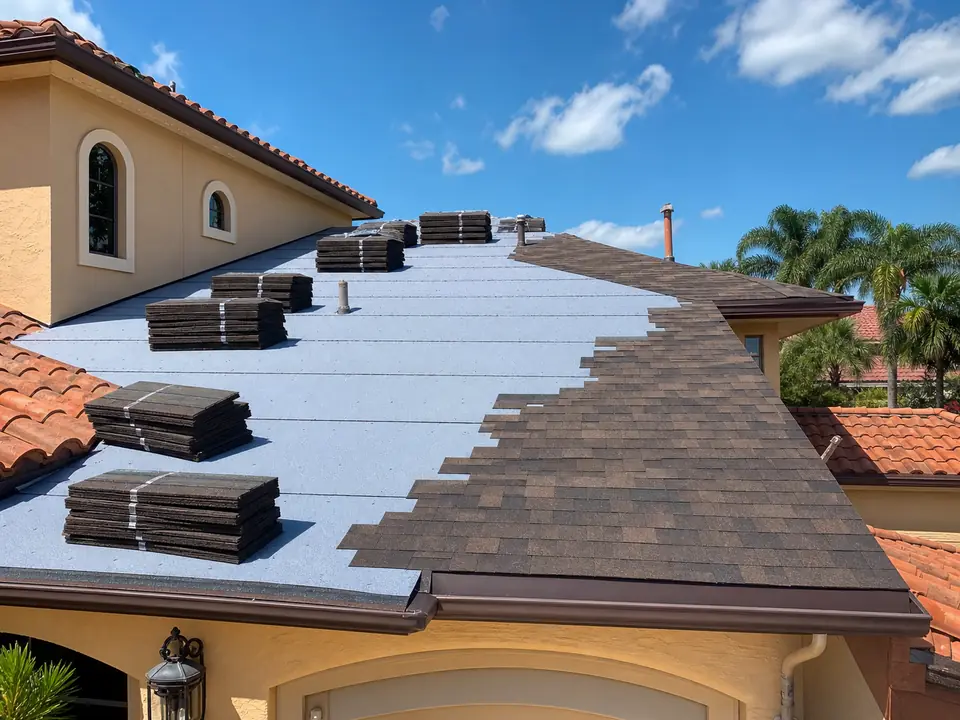 02
02Roof Replacement
Replace an aging or widely deteriorated roof and address the deck, underlayment, flashing and roof covering as one project.
Explore service →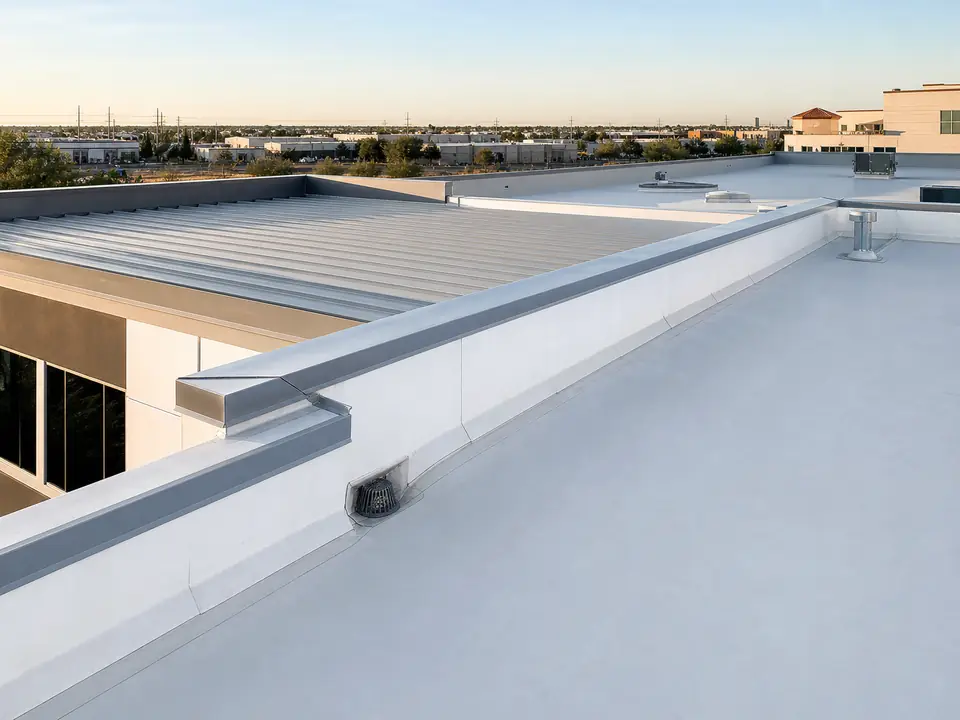 03
03Commercial Roofing
Low-slope and metal roof repair, replacement and restoration for warehouses, offices and commercial buildings.
Explore service →A practical process
Know what happens next.
Inspect
We look at the roofing material, flashing, penetrations and drainage details involved.
Explain
Findings are explained in plain language so you can understand the condition.
Compare
Repair and replacement options are considered when both are practical.
Complete
The agreed scope is completed with the right materials and a final check.
Leak or storm damage?
Start with what you have noticed.
You do not need to identify the exact source before requesting help. Tell us where the property is and what you are seeing.
Request Roofing Service →Service area
Laredo is home base.
Projects are also available in surrounding communities depending on location and scope.
Most roofing calls begin after something changes.
You may notice a water stain that was not there before. A storm may leave shingles on the ground. A metal roof may begin leaking around a vent. On a commercial building, water may appear below an HVAC unit even though the roof above it looks normal from the ground.
These problems require inspection because water does not always enter directly above the place where it appears indoors.
Rain can enter near flashing, a penetration, a seam or damaged roofing material and move along decking or structural components before reaching the ceiling. Low-slope commercial roofs can make the path even harder to follow because the roof covers a much larger area and contains more penetrations, drains, equipment and seams.
A roofing estimate is much more useful after the cause has been narrowed down.
Roof Repair in Laredo
Many roofs can be repaired without replacing the entire system.
The deciding factor is the condition surrounding the damaged area.
A few wind-damaged shingles on an otherwise serviceable roof may be replaceable. A deteriorated plumbing-vent flashing can often be corrected while leaving the larger roof intact. A commercial membrane may have one puncture or failed detail while thousands of square feet around it remain usable.
Repair becomes less attractive when problems are spread throughout the roof.
If separate sections have already been repaired, roofing material is deteriorating across several slopes or new leaks continue appearing in unrelated areas, another patch may solve the immediate problem without improving the reliability of the roof as a whole.
That is when roof replacement deserves serious consideration.
Roof Repair in Laredo→Roof Replacement
Replacing a roof creates access to components that cannot always be evaluated from the exterior.
Once existing roofing is removed as required, the roof deck can be inspected. Damaged areas can be addressed before they disappear beneath new material. Underlayment, flashing, roof edges and penetrations can then be installed as part of the same roofing system.
This is important because many leaks develop at transitions rather than in the middle of the roof.
A new field of shingles will not correct poorly integrated wall flashing.
A new metal panel will not solve a badly designed penetration.
A membrane replacement needs properly detailed drains, curbs and perimeter conditions in addition to new sheet material.
The roof needs to work as a complete assembly.
Roof Replacement in Laredo→Residential Roofing
Residential roofing involves much more than selecting shingles or metal panels.
The visible material has to work with:
- roof decking
- underlayment
- starter material
- roof edges
- valleys
- wall intersections
- pipe and vent penetrations
- flashing
- hips and ridges
- ventilation where appropriate to the assembly
A failure in one of these areas can allow water inside while most of the roof remains in good condition.
That is why inspections should include the roof details rather than focusing only on the broad areas that are easiest to see.
Asphalt Shingle Roofing
Asphalt shingles remain one of the most practical roofing options for many Laredo homes.
They are available in a wide range of colors and profiles, individual sections can often be repaired, and installers are familiar with the systems.
The quality of the finished roof still depends on details that disappear after installation.
Starter material needs to protect vulnerable roof edges. Shingles need to be fastened correctly. Valleys need to move concentrated water off the roof. Flashing around walls and penetrations needs to remain integrated with the overlapping shingle courses.
A more expensive shingle cannot compensate for poor work in those areas.
Metal Roofing
Metal roofing uses a different approach.
Instead of many small overlapping pieces, large panels cover substantial sections of the roof. The panel system, fastening method, seams and flashing therefore need to work together.
Standing-seam roofs commonly use concealed attachment systems that allow the panels to respond to changes in temperature. Through-fastened metal roofs use exposed fasteners and have different maintenance considerations.
Neither system should be repaired using the same assumptions as asphalt shingles.
A leak on a metal roof may involve:
- panel seams
- exposed fasteners on applicable systems
- clips or attachment details
- flashing
- roof penetrations
- transitions
- ridge or edge conditions
Finding the specific failure is more useful than covering the entire area with additional sealant.
Tile Roofing
Tile creates another type of roofing assembly.
The tile itself sheds much of the water, while underlayment and flashing remain important below and around the visible surface.
A broken tile can sometimes be replaced individually.
A leak beneath apparently intact tile may require investigation below the tiles to determine whether underlayment, flashing or another component has deteriorated.
Tile roofs also require careful access. Unnecessary foot traffic can damage pieces that were not part of the original problem.
Roofing for Laredo Heat and Sun
Roofing in Laredo spends long periods exposed to strong sunlight and high surface temperatures.
That exposure affects different materials in different ways.
Shingles age as their asphalt-based components remain exposed to heat and ultraviolet light. Metal panels repeatedly heat and cool, which makes properly designed movement and attachment details important. Commercial membranes and coatings also experience years of direct solar exposure across large roof areas.
Material selection matters, but the installation details matter just as much.
A roof designed for the climate still needs properly installed flashing, penetrations, drainage and edges.
Storm and Hail Damage
After a severe storm, the most obvious damage may be easy to find.
Missing shingles, loose panels or fallen debris get attention quickly.
Other conditions can be harder to see from the ground.
Roof edges, vents, flashing and exposed metal components may show signs of wind or hail. On commercial roofs, membrane punctures and damaged perimeter conditions can develop even when most of the roof still appears intact.
An inspection should document what is actually present instead of assuming every mark on the roof was caused by the latest storm.
Commercial Roofing in Laredo
Commercial roofing deserves a different approach from residential work.
A warehouse or retail roof can include thousands of square feet of low-slope membrane along with rooftop equipment, drains, scuppers, pipes, vents, roof hatches and perimeter details.
Each interruption in the membrane needs to remain watertight.
When a leak develops, the location inside the building is compared with likely exterior entry points. That can involve seams, penetrations, equipment curbs, flashing and previously repaired areas.
The goal is to narrow down the failure before recommending work across a much larger section of roof.
LaredoRoofer services commercial roofing systems including:
- TPO
- modified bitumen
- metal roofing
- low-slope roof repairs
- appropriate roof-coating and restoration projects
TPO Roofing
TPO is widely used on commercial low-slope roofs.
Large membrane sheets cover the roof field and are joined at seams. The membrane also needs specific detailing where it meets pipes, curbs, drains, parapets and roof edges.
A TPO inspection therefore includes both the open membrane and the smaller details that interrupt it.
Localized damage may be repairable if the surrounding membrane remains suitable.
Widespread deterioration or problems extending deeper into the roof assembly can change the recommendation toward replacement.
Modified Bitumen Roofing
Modified bitumen is an asphalt-based commercial roofing membrane used on many low-slope buildings.
It should not be confused with TPO simply because both systems are used on flat or low-slope roofs.
Modified-bitumen assemblies can include base and cap membranes along with specific flashing details.
Repair materials and techniques need to be compatible with the membrane already installed.
Identifying the roof system before beginning repair prevents incompatible materials from being used simply because they appear similar from a distance.
Commercial Roof Coatings
A roof coating can be useful when the existing commercial roof is still a suitable candidate for restoration.
That determination comes before the coating.
The roof should be checked for leaks, damaged membrane, deteriorated seams, flashing problems, corrosion on applicable metal roofs and other conditions that need repair.
The surface also needs the preparation required by the selected coating system.
A coating should protect and restore a roof that remains worth preserving. It should not be used to hide wet or badly deteriorated roofing beneath a fresh surface.
What Happens After You Contact LaredoRoofer?
Tell Us What You Have Noticed
You do not need to identify the exact roofing component.
Tell us whether you have a leak, visible damage, storm concerns, an older roof or a planned replacement.
The Roof Is Inspected
The inspection focuses on the roofing material and the details most likely to be involved in the problem.
Findings Are Explained
You should understand what was observed and how it affects the recommended work.
Repair and Replacement Options Are Compared
When a repair remains practical, it should be considered.
When broader deterioration makes replacement more sensible, the reason should be clear.
Work Is Completed
The agreed scope is completed using materials and methods appropriate for the roofing system.
Final Check
The finished area and job site are reviewed before completion.
Roofing Service Areas
Laredo is the main service area.
Projects are also available in surrounding communities depending on location and scope, including:
- Rio Bravo
- El Cenizo
- La Presa
- Bruni
- Mirando City
- Oilton
- Aguilares
- Encinal
- Zapata
- San Ygnacio
- Hebbronville
- Freer
Laredo Roofing FAQs
Can a roof leak usually be repaired?
Many leaks can be repaired when the failure is localized and the surrounding roofing remains in suitable condition. The inspection needs to determine whether the visible leak is an isolated problem or one of several signs that the roof is broadly deteriorating.
Why can a leak appear far away from the damaged roofing?
Water can enter through one roof detail and travel along decking, framing or other parts of the assembly before becoming visible indoors. That is why repairing only the exterior area directly above a ceiling stain can miss the actual source.
What roofing materials do you work with?
Services include asphalt shingles, metal roofing, tile roofing and several commercial low-slope systems, including TPO and modified bitumen.
Do you repair commercial roofs?
Yes. Commercial services include leak investigation, membrane and flashing repairs, metal roofing, roof replacement, maintenance and restoration evaluations.
Should I replace an older roof as soon as it leaks?
Not automatically. The location of the failure, condition of surrounding material, previous repairs and overall roof condition should be evaluated first.
Do you inspect storm and hail damage?
Yes. Roofing materials and exposed components can be inspected for visible damage after wind, hail and severe weather.
Ready to talk through the roof?
Get a clear next step.
Share what you have noticed and we will start with the details that matter.